

Yellow and Orange Diamonds, New Identification Techniques, and the Chronicles of Chivor
An overview of the Summer 2020 Gems & Gemology content.
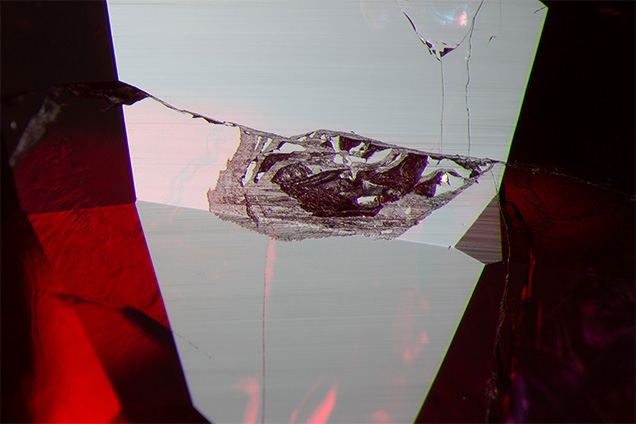
Böhmite in Corundum
Rubies from Mozambique, which were examined at the Lotus Gemology lab in Bangkok, proved to be infilled with böhmite, a secondary mineral in corundum.
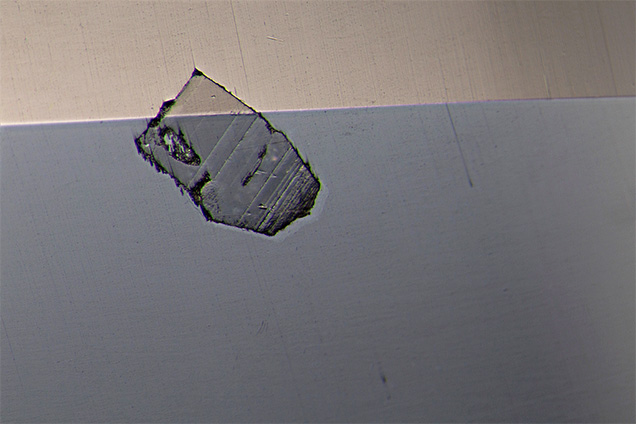
Fluorophlogopite in Burmese Spinel
Lotus Gemology in Bangkok received a large parcel of dark red spinels for identification.
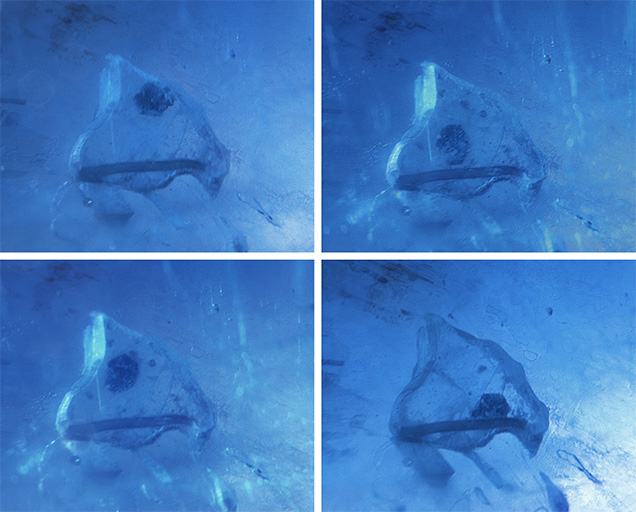
A Sapphire with a Negative Crystal Containing a Mobile Graphite Daughter Crystal
Mineral and fluid phases within negative crystals in metamorphic sapphires provide us with general information on the sapphire and the trapped fluid itself.
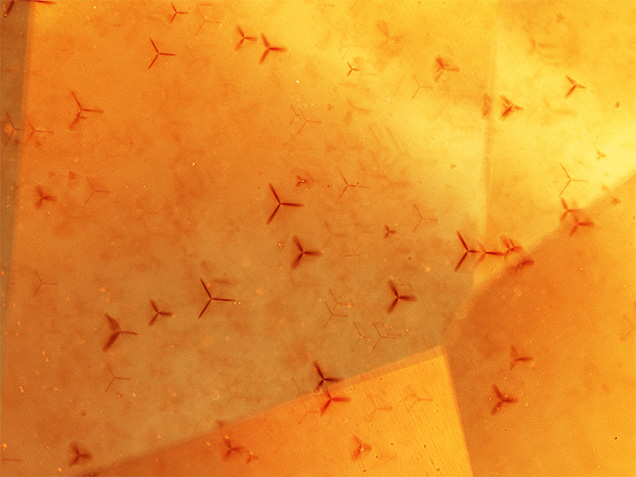
Windmills in Rare Mineral Sphalerite
Whimsical windmill-like inclusions are found in a high-quality orange specimen of the rare mineral sphalerite.
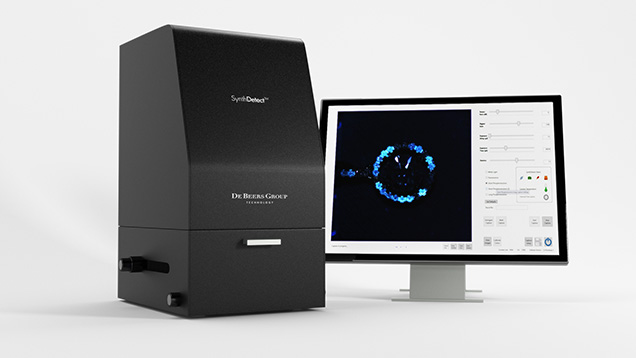
Separation of Natural from Laboratory-Grown Diamond Using Time-Gated Luminescence Imaging
Researchers from De Beers Group Technology present a technique that expands on the surface luminescence used in the DiamondView instrument to provide additional imaging information and quickly distinguish colorless or near-colorless natural diamond from laboratory-grown diamond.
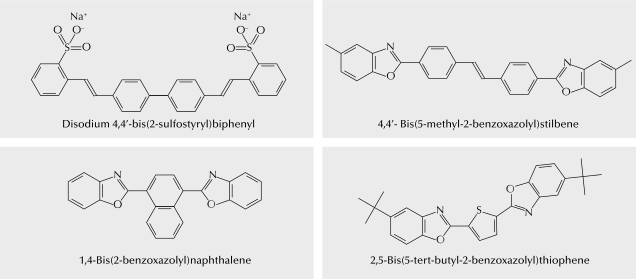
Optical Whitening and Brightening of Pearls: A Fluorescence Spectroscopy Study
Presents a study that suggests optically brightened pearls can be consistently separated from non-brightened pearls using fluorescence spectroscopy.
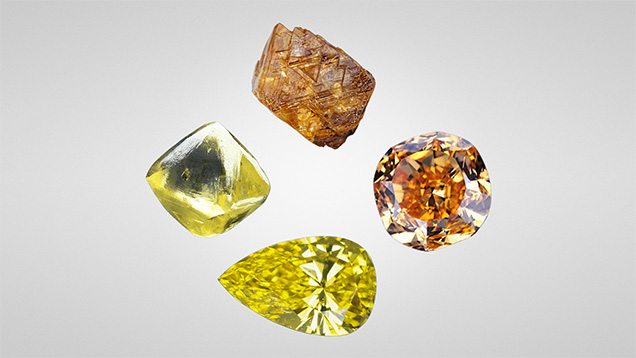
Naturally Colored Yellow and Orange Gem Diamonds: The Nitrogen Factor
Presents the four major groups of defects responsible for the color in nearly all yellow and orange diamonds.
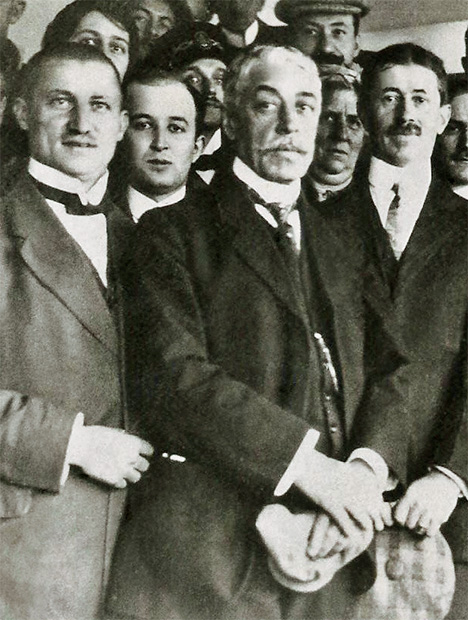
History of the Chivor Emerald Mine, Part II (1924–1970): Between Insolvency and Viability
Many legends are told about the history of the Chivor emerald mine.
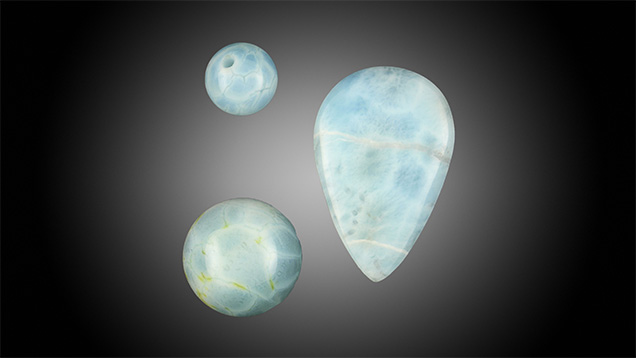
Quench-Crackled Dyed Blue Chalcedony Resembling Larimar
Raman spectroscopy confirms sea-blue beads with a similar appearance to Larimar are actually quench-crackled chalcedony.
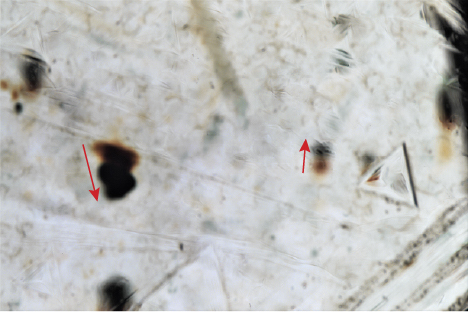
Multiple Radiation Stains Suggest Interesting Geological Residency
A rough diamond crystal weighing 4.05 ct was observed with radiation staining on its surface.
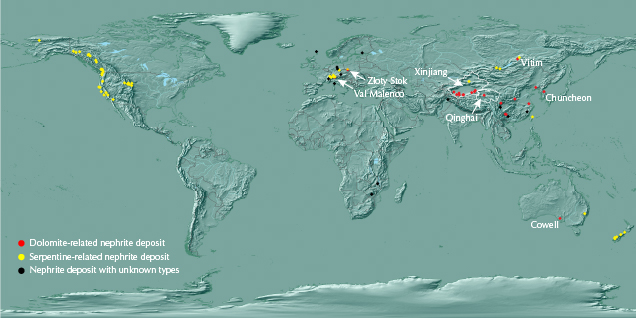
Hydrogen and Oxygen Stable Isotope Ratios of Dolomite-Related Nephrite: Relevance for Its Geographic Origin and Geological Significance
Examines the effectiveness of hydrogen and oxygen isotopes in discriminating dolomite-related nephrites from the four most important occurrences worldwide.
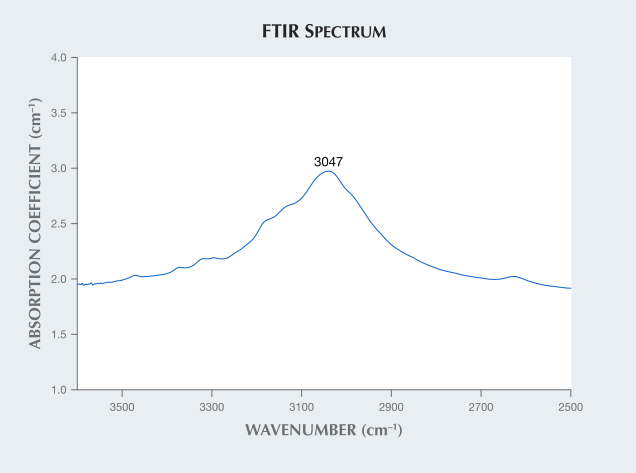
Negative Crystal Containing a Mobile CO2 Bubble in Blue Sapphire Heated with Pressure
A carbon dioxide bubble enclosed within a negative crystal in a pressure-heated blue sapphire moves when gently heated.
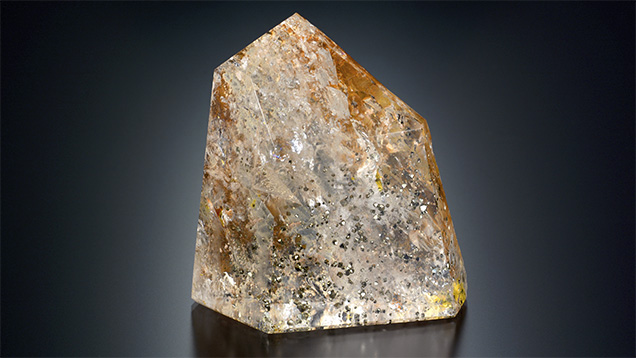
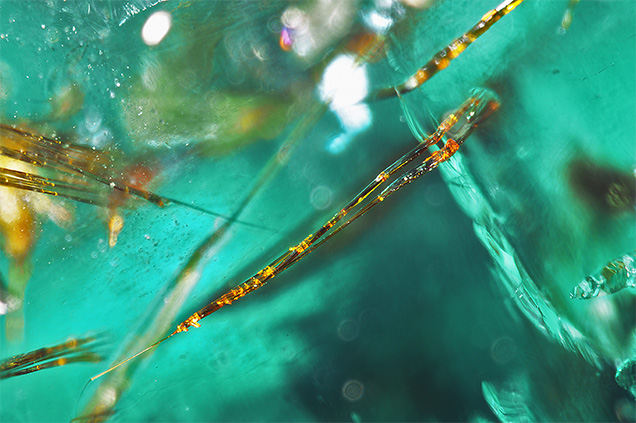
Unusually Shaped Rutile Crystal Inclusions in Russian Emerald
Needle-like inclusions in an emerald crystal from the Mariinsky Priisk mine may be a new indicator of Russian origin.
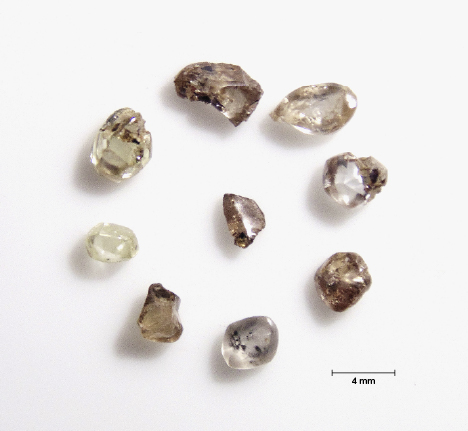
Finders, Keepers: Field Trip to Crater of Diamonds, USA
There’s only one place on earth where the general public can prospect for diamonds directly from a primary kimberlite pipe: Crater of Diamonds State Park.
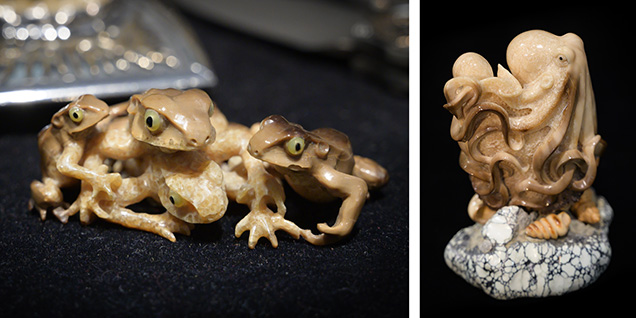
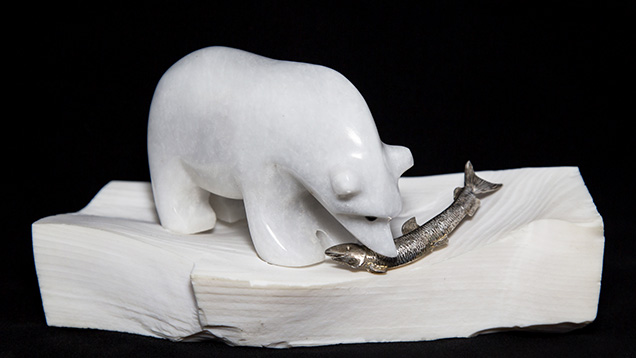
Fossil Ivory Update with Lee Downey
Lee Downey, owner of Artifactual (Tucson, Arizona), spoke with us in early 2020 about his 35 years in the fossil ivory carving trade and the impact of ivory bans on his business.
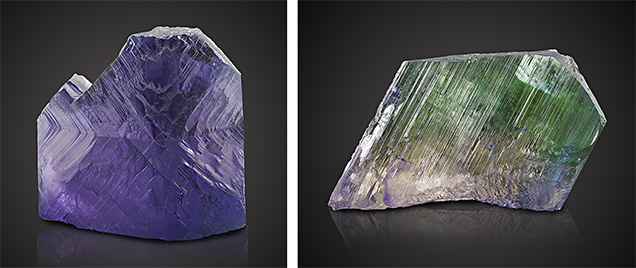
The “Fragility of the Eternal” Kunzite: Origin, Cutting, and Identification
A master gem carver bases his latest design off a stunning stained glass window when attempting the world’s largest known cut kunzite.
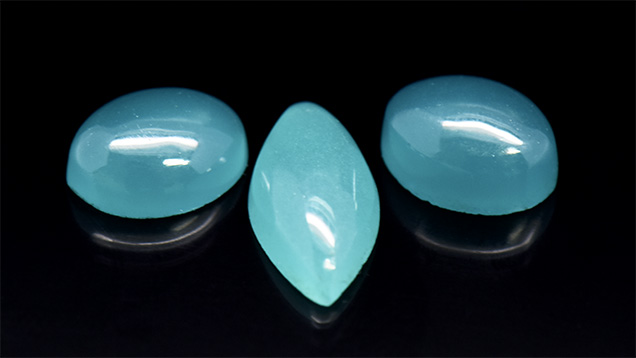
Greenish Blue Glass Imitating Gem Silica
Gem silica, also known as “chrysocolla chalcedony,” is considered the most valuable variety of chalcedony.
Occurrence of Petrified Woods in the Russian Far East: Gemology and Origin
Scientists in Russia construct an origin story through the analysis of petrified wood popularly used in the souvenir trade.